

Find a Place to Live
Settle in Czechia!
Whether you are staying in Czechia after graduation or returning later for work or research, understanding how housing and transport work can help make your transition smoother.
Czech cities offer a variety of housing options and reliable public transport systems, especially in larger urban areas such as Prague, Brno, and Ostrava.

Good to Know
The landlord often handles utility contracts and charges monthly advances, later adjusted to actual use. Check your rental agreement to see what is included, and ask for the annual utility settlement. You may be entitled to a refund if you overpaid.
Housing in Czechia
Renting an apartment
Most international graduates living in Czechia rent accommodation rather than buying property. Common housing options include:
- private apartments,
- shared flats,
- student or university housing,
- short-term rentals when first arriving.
Rental contracts typically require:
- Security deposit (usually one to two months’ rent),
- Monthly rent payments,
- Utility payments depending on the agreement.
Some landlords may also ask tenants to arrange:
- Insurance for tenant’s personal belongings in the flat,
- Liability insurance covering damage caused in the flat.
Already looking to buy a flat or house in Czechia?
Finding Accommodation
Finding Accommodation
Apartments are usually found through:
- online housing platforms (bezrealitky);
- real estate agencies (sreality, idnes reality, etc);
- social media platforms (e.g. facebook groups);
- university networks;
- recommendations from colleagues or friends.
When renting, it is important to carefully review the rental contract and confirm which utilities are included.
Before You Rent
Before You Rent
- Check what is included in the rent;
- Check the deposit amount;
- Confirm whether you can register the address;
- Make sure the contract is in writing;
- Check how utilities are paid.
Avoid Scams
Avoid Scams
- Do not send money before seeing the apartment, verifying the offer or signing the contract;
- Make sure you know who the landlord or agency is;
- Ask for a written contract;
- Keep proof of deposit and payments;
- Be careful if the offer look unusually cheap.
Housing Reminders
Housing Reminders
- Start looking for housing early, especially in large cities;
- Always review your rental contract carefully;
- Choose accommodation near public transport if possible;
- Consider purchasing a monthly transport pass if you commute regularly.
Finding Accommodation
Apartments are usually found through:
- online housing platforms (bezrealitky);
- real estate agencies (sreality, idnes reality, etc);
- social media platforms (e.g. facebook groups);
- university networks;
- recommendations from colleagues or friends.
When renting, it is important to carefully review the rental contract and confirm which utilities are included.
Before You Rent
- Check what is included in the rent;
- Check the deposit amount;
- Confirm whether you can register the address;
- Make sure the contract is in writing;
- Check how utilities are paid.
Avoid Scams
- Do not send money before seeing the apartment, verifying the offer or signing the contract;
- Make sure you know who the landlord or agency is;
- Ask for a written contract;
- Keep proof of deposit and payments;
- Be careful if the offer look unusually cheap.
Housing Reminders
- Start looking for housing early, especially in large cities;
- Always review your rental contract carefully;
- Choose accommodation near public transport if possible;
- Consider purchasing a monthly transport pass if you commute regularly.
FAQs

How much does rent usually cost in Czech cities? Info
Rental prices vary a lot depending on the city, neighbourhood, and type of accommodation. Prague and Brno are usually the most expensive, while shared flats are often more affordable than renting a whole apartment alone. It is a good idea to compare several listings before deciding what fits your budget.
Do I need a deposit when renting an apartment? Info
Yes. Most rental contracts require a security deposit, typically equal to one or two months’ rent. The deposit is returned when the rental ends, provided there is no damage to the apartment and all obligations in the contract are met.
What is usually included in the rent? Info
This depends on the rental agreement. Some apartments include utilities such as water, heating, or building services, while others require tenants to pay some or all of these separately. Always check the contract carefully to understand what is included in the monthly rent and what you need to pay on top of it.
Can I register my address at a rented apartment? Info
Not always. Before signing the contract, check whether the landlord allows you to use the address for official residence registration.
What documents do I usually need to rent a flat? Info
This depends on the landlord or agency, but you may be asked for identification, proof of income, or a deposit before moving in.
Beware: The property itself is usually insured by the landlord, not the tenant. Still, you may be asked to arrange liability insurance for damage caused in the flat, so it is a good idea to ask about this early.
Do I get my deposit back? Info
Usually, yes. If you leave the apartment in good condition and do not owe the landlord any rent, utilities, or other agreed payments, the deposit should be returned to you. The landlord may deduct reasonable costs for damage beyond normal wear and tear or any unpaid amounts. Under Czech law, the deposit may also earn interest, so after a longer rental period the amount returned to you may be slightly higher than the original deposit.
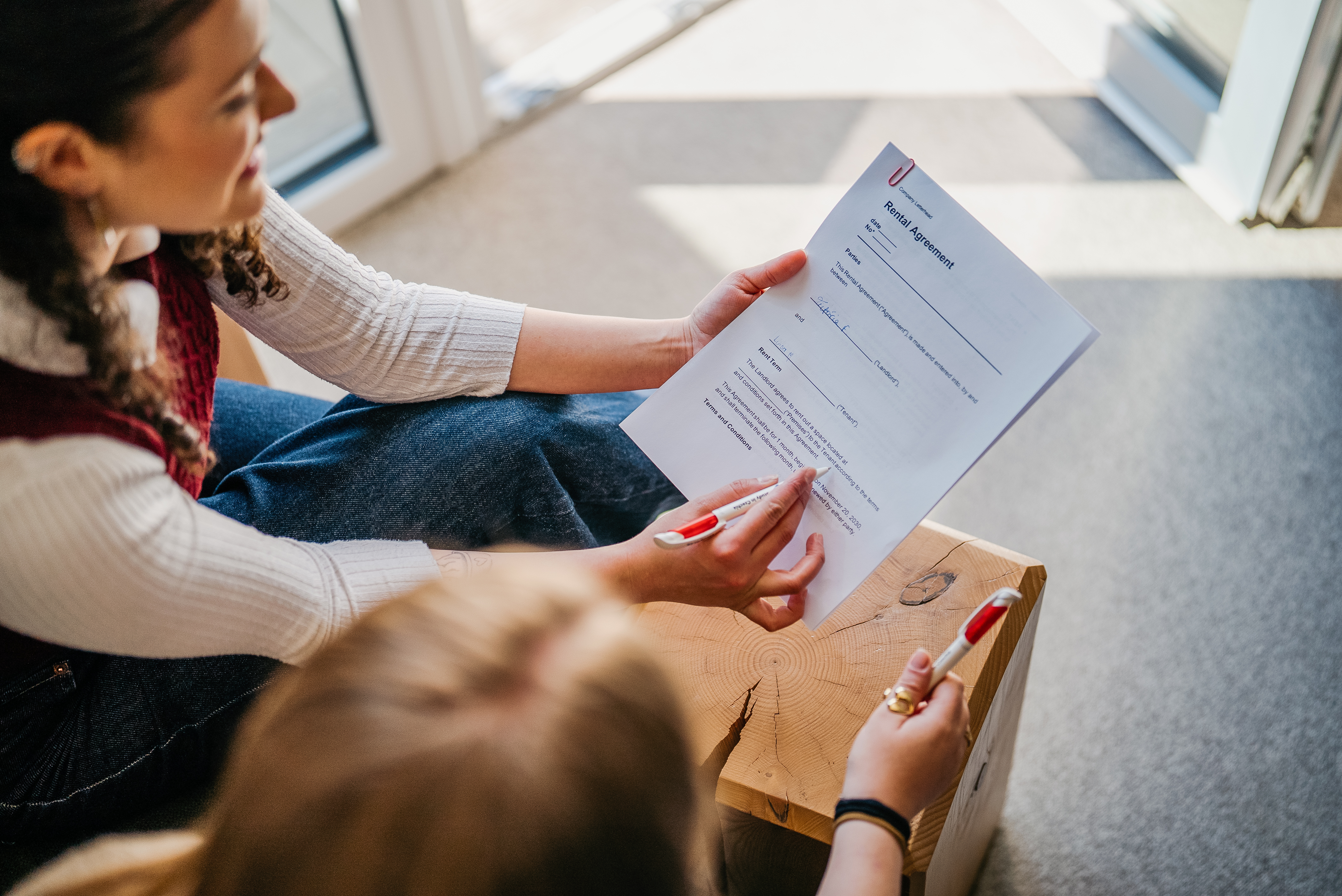
For non-EU:
Before signing a rental contract, check whether the landlord allows you to register the address as your official residence. Not every landlord agrees to this, and it can be important for administrative purposes at the Ministry of the Interior (OAMP).